


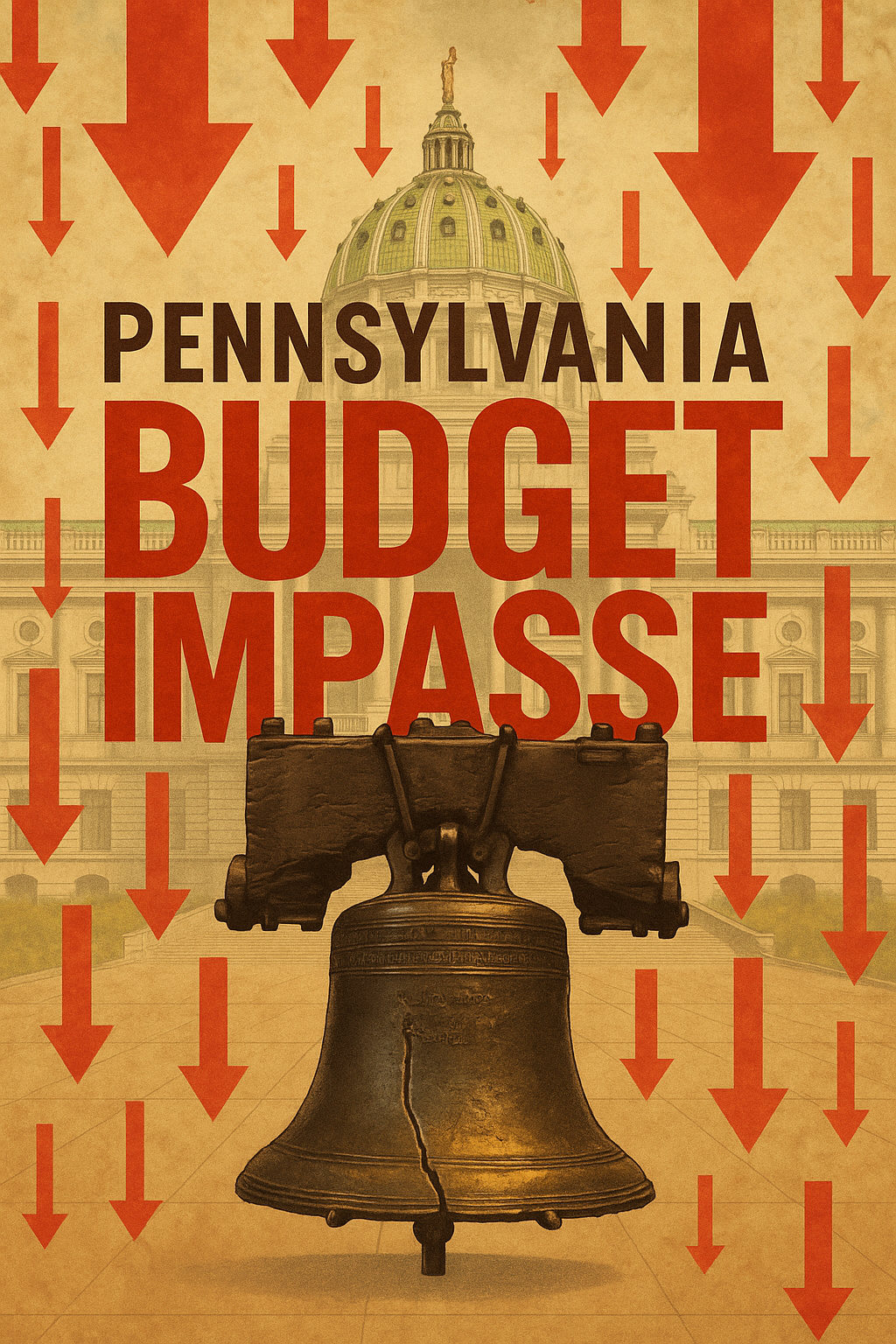
Pennsylvania is facing mounting consequences as the state’s budget impasse stretches into its fourth month, with far-reaching effects on businesses, public services, and the broader economy. The deadlock, involving Democratic Governor Josh Shapiro, the Democratic-controlled House, and the Republican-controlled Senate, has stalled billions of dollars in funding for schools and social services, with no resolution in sight.
The budget stalemate means grant-funded organizations like Jefferson-Clarion Head Start have laid off over 50 staff, leaving hundreds of families scrambling for alternative childcare or forced to quit jobs. Many counties and nonprofit agencies have maxed out credit lines just to keep services running. Human services providers warn that as October progresses, reserves will run out, leading to deeper layoffs and complete service shutdowns.
The impasse is also affecting county-run facilities, with staff furloughs and warnings that reimbursements for essential services may stop. Schools statewide are missing out on an estimated $3.8 billion in funding. Philadelphia’s school district even authorized borrowing up to $1.5 billion just to remain solvent. Smaller social services, like Safe Berks—a program supporting survivors of domestic violence—are incurring debt, leaving positions unfilled, and laying off staff.
County commissioners emphasize that trained caseworkers and social workers lost during the crisis may never return, leading to long-term strain on service delivery. Waiting times for essential social services are growing, and morale among service staff is deteriorating. The state continues to meet legal obligations for Medicaid, unemployment, and state employee pay, but the widespread delays are hurting Pennsylvania’s most vulnerable residents and local businesses dependent on government contracts.
The impasse is also affecting county-run facilities, with staff furloughs and warnings that reimbursements for essential services may stop. Schools statewide are missing out on an estimated $3.8 billion in funding. Philadelphia’s school district even authorized borrowing up to $1.5 billion just to remain solvent. Smaller social services, like Safe Berks—a program supporting survivors of domestic violence—are incurring debt, leaving positions unfilled, and laying off staff.
County commissioners emphasize that trained caseworkers and social workers lost during the crisis may never return, leading to long-term strain on service delivery. Waiting times for essential social services are growing, and morale among service staff is deteriorating. The state continues to meet legal obligations for Medicaid, unemployment, and state employee pay, but the widespread delays are hurting Pennsylvania’s most vulnerable residents and local businesses dependent on government contracts.


